
Can You Refuse a Field Sobriety Test in Colorado
Facing a DUI stop in Colorado can be a daunting experience, especially when law enforcement asks you to perform field sobriety tests. Knowing your rights and the potential consequences of refusing these tests is crucial. At Baker Law Group, our Colorado criminal law team helps clients navigate the complexities of DUI law, ensuring their rights are protected. This article explores whether you can refuse a field sobriety test in Colorado and what that decision could mean for you.
Types of Field Sobriety Tests
Field sobriety tests are a series of physical and cognitive exercises that police officers use to assess whether a driver is impaired. These tests include:
Horizontal Gaze Nystagmus (HGN)
The officer observes the driver’s eyes as they follow a moving object, such as a pen or flashlight, looking for involuntary jerking.
Walk-and-Turn (WAT)
The driver is asked to take nine steps, heel-to-toe, along a straight line, turn on one foot and return in the same manner.
One-Leg Stand (OLS)
The driver must stand on one leg for about 30 seconds while counting aloud.
These tests are intended to identify signs of impairment but are subjective and can be influenced by various factors such as medical conditions, age, and environmental conditions.
Your Rights and Refusal of Field Sobriety Tests
In Colorado, you have the right to refuse field sobriety tests without facing automatic penalties. Unlike chemical tests (breath, blood, or urine), which fall under Colorado’s Express Consent Law and carry mandatory penalties for refusal, field sobriety tests are voluntary. However, refusing these tests can still have significant implications:
Lack of Evidence for Probable Cause
By refusing field sobriety tests, you limit the evidence available to the officer to establish probable cause for your arrest. This could potentially make it more challenging for the prosecution to prove impairment.
Officer’s Observations
Even without field sobriety test results, an officer can still base their decision to arrest on other observations, such as erratic driving, slurred speech, or the smell of alcohol.
Impact on Court Case
Prosecutors may argue that your refusal indicates a consciousness of guilt. However, your attorney can counter that field sobriety tests are unreliable and subjective.
Consequences of Refusing Field Sobriety Tests
While you are legally allowed to refuse field sobriety tests in Colorado, it is important to understand the potential consequences:
Arrest
An officer may decide to arrest you based on other evidence or observations, even if you refuse the tests.
Prosecution Strategy
Prosecutors may use your refusal as part of their strategy to argue that you were impaired.
Defense Challenges
Refusal can complicate your defense, as it removes one potential area to challenge the officer’s observations and the validity of the tests.
Chemical Tests and Colorado’s Express Consent Law
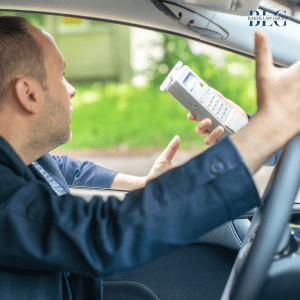
It is crucial to distinguish field sobriety tests from chemical tests. Under Colorado’s Express Consent Law, by driving in the state, you implicitly agree to submit to chemical testing if an officer has probable cause to believe you are impaired. Refusal of a chemical test can lead to:
Automatic License SuspensionRefusal results in an automatic revocation of your driver’s license for one year for the first offense, two years for the second, and three years for subsequent refusals.
Points on Driving Record
Refusal adds points to your driving record, which can affect your insurance rates and driving privileges.
Admissibility in Court
The fact that you refused a chemical test can be used against you in court.
Steps to Take if Stopped for DUI
Stay Calm and Compliant
Remain polite and respectful with the officer. Comply with requests for your license, registration, and proof of insurance.
Know Your Rights
You have the right to remain silent and to refuse field sobriety tests. Politely inform the officer that you decline to perform the tests.
Chemical Test Decision
Consider the consequences of refusing a chemical test. While refusal leads to automatic penalties, submitting to the test provides evidence that can be challenged in court.
Contact an Attorney
As soon as possible, contact an experienced DUI attorney at Baker Law Group to discuss your case and develop a defense strategy.
Common Defenses in DUI Cases
An experienced DUI attorney can explore various defenses to challenge the charges against you, including:
- Improper Traffic Stop
- Arguing that the officer did not have reasonable suspicion to
 make the traffic stop.
- Arguing that the officer did not have reasonable suspicion to
- Inaccurate Field Sobriety Test Administration
- Demonstrating that the field sobriety tests were not administered correctly or that external factors affected the results.
- Questioning Chemical Test Accuracy
- Challenging the accuracy and reliability of breathalyzer or blood test results.
- Violation of Rights
- Asserting that your constitutional rights were violated during the stop or arrest.
 make the traffic stop.
Preventative Measures
To avoid DUI charges and the complexities of refusing field sobriety tests, consider the following preventative measures:
- Designate a Driver
- If you plan to drink, arrange for a sober driver or use a rideshare service.
- Stay Informed
- Understand your rights and responsibilities as a driver in Colorado.
- Limit Alcohol Consumption
- Be mindful of your alcohol intake and know your limits.
- Legal Guidance
- If you have questions about DUI laws or your rights, consult an attorney before you need one.
How a Colorado Criminal Lawyer Baker Law Group Can Help
Navigating a DUI arrest and the legal complexities surrounding field sobriety and chemical tests requires expert legal guidance. At Baker Law Group, our experienced attorneys are dedicated to protecting your rights and providing the best defense possible.
We understand the intricacies of Colorado DUI law and can help you make informed decisions about your case. If you face DUI charges in Colorado, don’t navigate the legal process alone. Contact Baker Law Group today to speak with a knowledgeable Colorado criminal attorney who can help you understand your rights and options.