
How Do Weather Conditions Contribute to Construction Defects in Colorado
Colorado’s stunning landscape and unpredictable weather patterns create a unique environment for construction. However, these conditions can also lead to construction defects, impacting homeowners, developers, and contractors. Whether it’s snowstorms, intense heat, or rapid temperature shifts, Colorado’s weather poses challenges that can compromise structural integrity and longevity if not adequately addressed during construction.
At Baker Law Group, we understand the legal and financial repercussions of construction defects caused by weather-related issues. Below, we explore how Colorado’s climate contributes to construction defects and what property owners can do to protect their investments.
The Role of Colorado’s Weather in Construction Defects
1. Freeze-Thaw Cycles
The freeze-thaw cycle is one of Colorado’s most significant contributors to construction defects. During the winter, temperatures frequently drop below freezing at night and rise during the day, causing water to expand and contract within building materials such as concrete, masonry, and asphalt. Over time, this cycle can lead to:
- Cracking: Concrete foundations, driveways, and walls are particularly vulnerable to cracking under the pressure of expanding ice.
- Spalling: The surface of concrete or brickwork can flake off, weakening the structure.
- Water Intrusion: Cracks in the exterior can allow water to seep into walls and basements, causing further damage.
Proper drainage systems, weatherproof coatings, and high-quality construction materials are essential to mitigate these risks. However, defects can develop when these measures are not implemented, leaving property owners to deal with costly repairs.
2. Heavy Snow and Ice Accumulation
Colorado’s winters bring significant snowfall, and improper snow management on roofs or drainage systems can result in: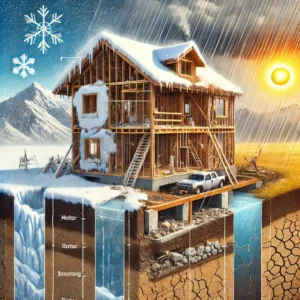
- Roof Collapses: Accumulated snow and ice can add excessive weight to poorly designed or maintained roofs, leading to structural failures.
- Ice Dams: When snow melts and refreezes near the edge of a roof, it can form ice dams. These dams prevent proper drainage, forcing water under shingles and causing leaks.
- Gutter Damage: Icicles and ice buildup in gutters can cause them to detach from the building, damaging the structure and creating water flow issues.
To prevent these problems, contractors should design and construct roofs to handle local snow loads and install effective drainage systems. If contractors fail to account for these risks, property owners may have grounds for a construction defect claim.
3. High Winds
Colorado’s Front Range is known for strong, gusty winds, particularly during the fall and winter. High winds can impact construction in the following ways:
- Improperly Installed Roofs: Shingles and other roofing materials can be torn off if not securely fastened.
- Structural Weakness: Poorly anchored walls, fences, and other structures may collapse under sustained high winds.
- Window and Door Defects: Improperly sealed windows and doors can allow drafts, moisture, and debris to infiltrate a home.
Contractors and builders must adhere to local building codes that account for wind exposure in Colorado. Property owners can face structural damage and energy inefficiency when they fail to meet these standards.
4. Intense UV Radiation
At higher elevations, Colorado experiences more intense UV radiation from the sun. This exposure can lead to premature deterioration of building materials, particularly those not designed to withstand high levels of UV light. Common defects caused by UV exposure include:
- Roofing Material Degradation: Asphalt shingles can become brittle and crack over time.
- Fading and Warping: Paint, siding, and other exterior finishes may fade, peel, or warp under constant sun exposure.
- Sealant Breakdown: UV rays can break down caulking and sealants around windows, doors, and joints, leading to leaks and drafts.
Builders should use UV-resistant materials and finishes to combat these effects. If they fail to do so, homeowners may need to pursue legal action to recover repair costs.
5. Expansive Soils
While not directly a weather condition, expansive soils—common in Colorado—are heavily influenced by moisture levels. Expansive soils swell when wet and shrink when dry, leading to shifting foundations, uneven floors, and cracks in walls. Improper site preparation and poor foundation design often exacerbate these issues, leaving property owners with costly structural repairs. Builders must assess soil conditions and implement strategies such as grading, moisture barriers, and deep foundations to prevent defects caused by expansive soils.
Legal Recourse for Weather-Related Construction Defects
Property owners may have legal options to hold builders or contractors accountable when construction defects arise due to inadequate planning, poor workmanship, or substandard materials. Colorado law provides specific protections for homeowners under the Construction Defect Action Reform Act (C.R.S. § 13-20-801). This legislation outlines the process for filing claims, including the requirement to notify contractors and provide them with an opportunity to address the defect.
Common types of claims related to weather-induced defects include:
- Breach of Contract: Failing to construct a building according to agreed-upon specifications.
- Negligence: Using substandard materials or failing to account for environmental risks.
- Warranty Claims: Violating express or implied warranties related to the construction.
Navigating these legal claims can be complex, so working with an experienced Denver construction defect lawyer is essential.
Steps to Take if You Suspect a Construction Defect
If you believe weather-related construction defects have impacted your property, follow these steps:
- Document the Defect: Take photos and videos of the damage and record repair costs.
- Consult a Professional: Hire an independent inspector or engineer to evaluate the defect and determine its cause.
- Review Contracts and Warranties: Check for any guarantees or warranties the builder or contractor provides.
- Contact a Lawyer: Seek legal guidance to understand your rights and explore potential remedies.
Contact a Denver Construction Defect Lawyer
Weather conditions in Colorado can make construction challenging, but that does not excuse poor planning, faulty materials, or inadequate workmanship. If your property has suffered from construction defects caused by weather-related issues, Baker Law Group is here to help. Our team of experienced construction defect lawyers will guide you through the legal process and work to secure the compensation you deserve.
Contact Baker Law Group today to schedule a consultation with a Denver construction defect lawyer. Let us help you protect your investment and restore your peace of mind.