Navigating the legal landscape of conservatorship and guardianship can be complex and daunting. In Colorado, these legal mechanisms are essential tools to protect individuals who cannot manage their own affairs. Whether you are seeking to establish a conservatorship or guardianship for a loved one, it is crucial to understand the distinctions between the two. At Baker Law Group, we are committed to providing clarity and legal support for families facing these significant decisions.
What is Conservatorship in Colorado?
Conservatorship is a legal process where a court appoints an individual (the conservator) to manage the financial affairs of an adult who is unable to do so themselves due to incapacity. This process is governed by the Colorado Uniform Guardianship and Protective Proceedings Act (CUGPPA). The conservator is responsible for making financial decisions, paying bills, managing investments, and safeguarding the assets of the protected person.
 Key Aspects of Conservatorship:
- Financial Management: The primary role of a conservator is to handle the financial matters of the protected person, ensuring their assets are used in their best interest.
- Court Oversight: Conservators are subject to regular court supervision to ensure they are fulfilling their duties responsibly.
- Limited Scope: Conservatorship does not grant authority over personal or medical decisions. It is strictly limited to financial and property matters.
Who Needs a Conservator?
A conservator may be necessary for individuals who:
- Are incapacitated due to illness, injury, or advanced age.
- Have significant assets that require management.
- Are vulnerable to financial exploitation.
What is Guardianship in Colorado?
Guardianship, on the other hand, involves the appointment of a guardian to make personal, medical, and sometimes financial decisions for an individual who cannot make these decisions independently. Guardianship can apply to both minors and incapacitated adults.
Key Aspects of Guardianship:
- Personal and Medical Decisions: Guardians make decisions about the daily living arrangements, medical care, and overall well-being of the ward (the person under guardianship).
- Comprehensive Authority: Guardians have broader authority than conservators, covering personal, medical, and in some cases, financial decisions.
- Court Supervision: Like conservators, guardians are also under the supervision of the court to ensure they are acting in the best interest of the ward.
Who Needs a Guardian?
A guardian may be necessary for individuals who:
- Are minors without parents or with parents who are unable to care for them.
- Are adults with severe disabilities or cognitive impairments.
- Require someone to make personal and medical decisions on their behalf.
Colorado Conservatorship vs. Guardianship: Key Differences
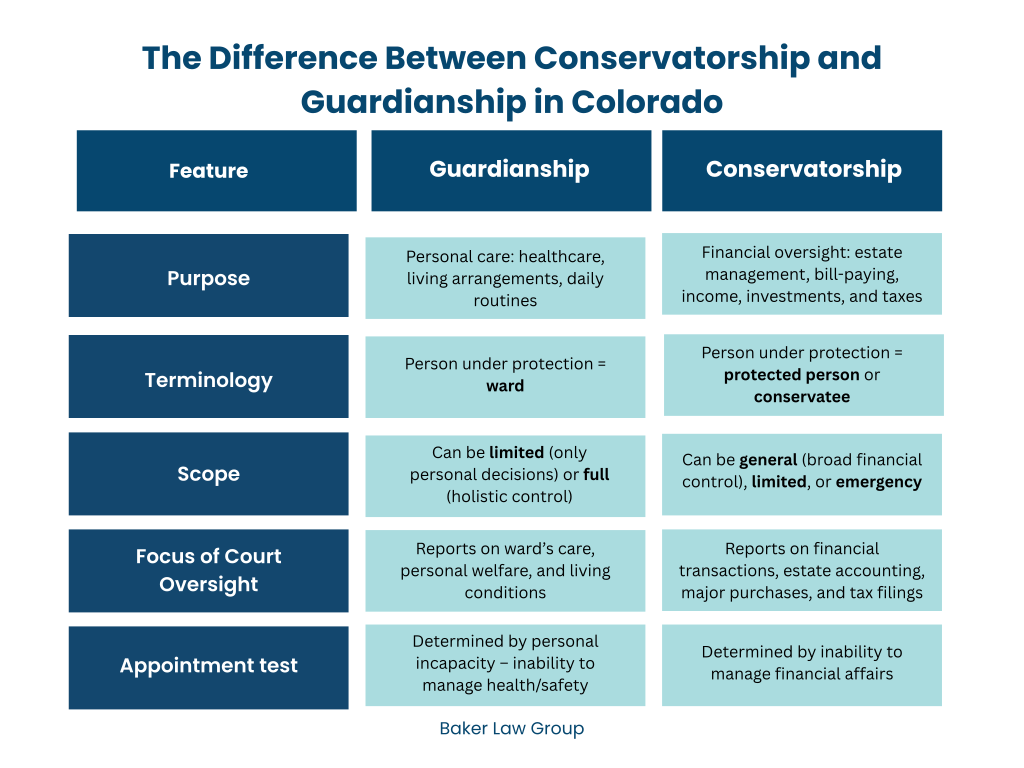
While both conservatorship and guardianship involve appointing someone to assist an individual who cannot manage their own affairs, the scope and focus of these roles differ significantly.
Scope of Authority
- Conservatorship: Focuses solely on financial and property management. The conservator has no authority over personal or medical decisions.
- Guardianship: Encompasses personal, medical, and sometimes financial decisions, providing comprehensive care and support for the ward.
Purpose
- Conservatorship: Protects and manages the financial assets of the incapacitated person.
- Guardianship: Ensures the overall well-being, safety, and personal care of the ward.
Legal Process
- Conservatorship: Typically involves a more detailed accounting and financial oversight by the court.
- Guardianship: Involves broader reporting requirements, focusing on the personal and medical care provided to the ward.
How to Establish Conservatorship and Guardianship in Colorado
Establishing conservatorship or guardianship requires a legal process initiated in the probate court. The steps include:
- Filing a Petition: The process begins by filing a petition with the probate court. The petition must include detailed information about the proposed ward’s condition and the need for a conservator or guardian.
- Court Investigation: The court will investigate the petition, often involving a court-appointed visitor or investigator to assess the situation.
- Hearing: A court hearing will be held where the judge reviews the evidence and determines whether to grant the petition.
- Appointment: If the court approves the petition, a conservator or guardian is appointed, and letters of appointment are issued, granting legal authority to act on behalf of the ward.
Colorado Conservatorship: Ensuring Financial Security
Choosing the Right Conservator
Selecting a conservator is a crucial decision. The conservator should be someone who is trustworthy, financially savvy, and committed to acting in the best interest of the protected person. In Colorado, the court may appoint a family member, friend, or professional fiduciary as a conservator.
Duties and Responsibilities
The conservator’s duties include:
- Managing the protected person’s assets and income.
- Paying bills and expenses.
- Making prudent investment decisions.
- Keeping detailed financial records and providing regular reports to the court.
Colorado Guardianship: Comprehensive Care and Protection
Choosing the Right Guardian
The guardian should be someone who can make sound decisions regarding the personal and medical care of the ward. This individual should be compassionate, responsible, and committed to the well-being of the ward. The court may appoint a family member, friend, or professional guardian.
Duties and Responsibilities
The guardian’s duties include:
- Deciding where the ward will live.
- Arranging for medical care and treatment.
- Making decisions about education, employment, and social activities.
- Ensuring the overall safety and well-being of the ward.
Legal Support From Baker Law Group
Understanding the differences between conservatorship and guardianship is essential for making informed decisions about the care and financial management of a loved one. Both legal mechanisms play vital roles in protecting individuals who cannot manage their own affairs. At Baker Law Group, we are committed to providing expert legal assistance to families navigating these complex processes.