When someone passes away owning property in multiple states, their estate may be subject to ancillary probate. This legal process administers out-of-state assets alongside the primary probate proceeding. In Colorado, ancillary probate can add complexity to estate administration, particularly when real estate is involved. Understanding how this process works and navigating it efficiently is crucial for beneficiaries, executors, and legal representatives.
What Is Ancillary Probate?
Ancillary probate is a secondary probate proceeding required when a deceased individual owns property outside their home state. The primary probate occurs in the decedent’s state of residence, while ancillary probate takes place in the state where additional assets are located. This process typically arises in Colorado when non-residents own real estate, mineral rights, or business interests within the state.
When Is Ancillary Probate Required?
Colorado requires ancillary probate when a deceased individual, a resident of another state, holds
 real property or certain tangible assets in Colorado. Common scenarios that necessitate ancillary probate include:
- A non-resident owned a vacation home in Aspen or a rental property in Denver.
- An out-of-state decedent had interests in Colorado oil, gas, or mineral rights.
- A business owner from another state held assets or an entity registered in Colorado.
Suppose these assets are solely owned by the deceased and not placed in a revocable living trust or held in a manner that allows for direct transfer (such as joint tenancy with right of survivorship). In that case, the estate must go through ancillary probate.
The Colorado Ancillary Probate Process
Ancillary probate in Colorado follows a process similar to that of standard probate proceedings but with key differences. Below are the essential steps:
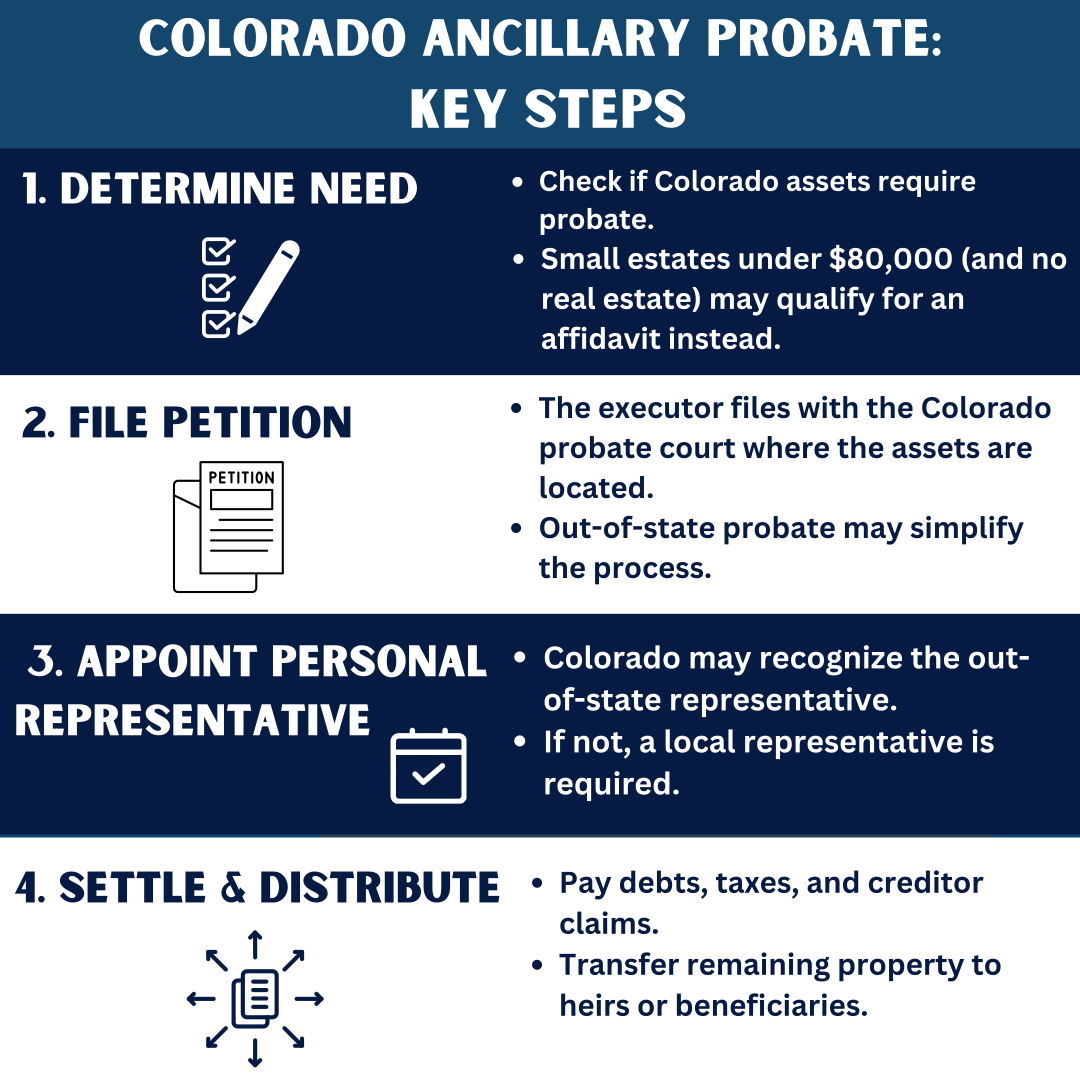
1. Determine the Need for Ancillary Probate
The executor of the decedent’s estate should first determine whether assets in Colorado require probate. If the property qualifies for small estate procedures (less than $80,000 in value and no real estate, per Colorado Revised Statutes 15-12-1201), a Collection of Personal Property by Affidavit may be an alternative to probate.
2. File a Petition for Ancillary Probate
Once it’s established that ancillary probate is necessary, the executor must file a petition with the appropriate Colorado probate court in the county where the assets are located. If the decedent’s primary probate has already commenced in their home state, Colorado courts may allow a simplified process by recognizing the out-of-state appointment of the personal representative.
3. Obtain a Colorado Personal Representative Appointment
If the executor or personal representative from the home state is recognized in Colorado, they can proceed with estate administration. Otherwise, the Colorado court may require a local representative to handle the ancillary proceedings.
4. Settle Claims and Distribute Assets
Colorado law requires settling debts, taxes, and creditor claims before distributing assets during ancillary probate. Once obligations are resolved, the personal representative can transfer the remaining property to beneficiaries according to the will or intestacy laws.
Avoiding Ancillary Probate in Colorado
Ancillary probate can be time-consuming and costly, but proper estate planning can help avoid it. Some strategies include:
- Holding Property in a Trust: A revocable living trust can help bypass probate altogether, ensuring a seamless transfer of assets.
- Joint Ownership with Right of Survivorship: Property owned jointly with a surviving spouse or relative can be passed directly to the co-owner without probate.
- Beneficiary Deeds: In Colorado, a transfer-on-death deed allows real estate to pass to a designated beneficiary without going through probate.
- Business Succession Planning: Structuring business ownership properly can help prevent probate complications when transferring business interests.
How Long Does Ancillary Probate Take in Colorado?
The timeline for ancillary probate varies based on estate complexity, disputes, and court processing times. Generally, ancillary probate in Colorado can take six months to over a year. The process may take longer if the estate encounters creditor claims, title disputes, or missing documents.
Costs Associated with Ancillary Probate
Ancillary probate adds legal and administrative costs to estate proceedings. Common expenses include:
- Court filing fees (vary by county but typically range from $200-$250).
- Attorney fees (may be hourly or flat-fee arrangements, depending on estate complexity).
- Accounting fees for tax filings and financial management.
- Property management costs (if real estate must be maintained or sold during probate).
Do You Need a Lawyer for Ancillary Probate in Colorado?
While some personal representatives attempt to handle probate independently, hiring an experienced probate attorney can significantly ease the process. Colorado probate laws have specific requirements that can be challenging to navigate, especially for out-of-state executors. A Denver probate lawyer can help streamline proceedings, minimize delays, and ensure compliance with state laws.
Contact a Denver Probate Lawyer
If you are facing ancillary probate in Colorado, Baker Law Group is here to help. Our experienced Denver probate attorneys assist executors, beneficiaries, and families in navigating the complexities of estate administration. Whether you need guidance on Colorado probate laws, estate planning strategies, or assistance with real estate transfers, we are committed to providing effective legal solutions.
Contact Baker Law Group today to schedule a consultation and discuss how we can assist with your ancillary probate needs.