
Make a Will Month: Why August Is the Time to Act
August is Make a Will Month, a national awareness campaign that encourages adults of all ages to take one of the most important steps in protecting their families and their assets. Despite knowing they should have a will, the majority of American adults do not have one. Most cite procrastination, uncertainty about the process, or the mistaken belief that wills are only for the elderly or wealthy. Baker Law Group, PLLC helps residents across Colorado, Texas, and New Mexico use Make a Will Month as the motivation to finally put a legally sound plan in place.
This page explains what a will does, answers the most common questions people have about making a will, and identifies where Baker Law Group, PLLC handles drafting and estate planning across multiple states.
What Is a Will and What Does It Do?
A last will and testament is a legal document that expresses your wishes regarding the distribution of your assets and the care of any minor children after your death. It names an executor who is responsible for administering your estate, identifies the beneficiaries who will receive your assets, and in cases involving minor children designates a guardian to care for them.
A will does not cover everything. Assets with named beneficiaries such as life insurance policies, retirement accounts, and jointly held property typically pass outside of the will regardless of what the document says. Understanding what your will controls and what it does not is one of the most important aspects of estate planning that many people overlook.
According to Gallup polling on estate planning, fewer than half of American adults have a will. The gap is even larger among younger adults despite the fact that unexpected events can happen at any age. Make a Will Month exists precisely because awareness that a will is needed does not automatically translate into action.
A Senior Associate Attorney at Baker Law Group, PLLC offers a grounding perspective: “There are some attorneys out there who will fearmonger and tell you that everybody needs a trust to avoid probate. At Baker Law Group, PLLC, our philosophy is that estate planning is not a one-size fits all process. We are not concerned about talking everyone into getting a trust. You don’t have to have one. Some people don’t have the funds for it, and it’s often not necessary. If you plan properly, you can pass all of your assets in a very streamlined way without needing a trust.” A well-drafted will is often exactly what a family needs without unnecessary complexity or cost.
Frequently Asked Questions About Making a Will
Anyone who has assets, dependents, or preferences about what happens after they die needs a will. This includes parents of minor children who want to designate a guardian, unmarried partners who want assets to go to each other, business owners, anyone with real estate, and anyone whose wishes differ from their state’s default inheritance rules. The idea that wills are only for older or wealthy people is one of the most common and costly misconceptions in estate planning.
If you die without a will, you die intestate and state law determines who receives your assets. Intestacy laws distribute assets according to a fixed hierarchy of relatives that may not reflect your actual wishes. An unmarried partner receives nothing. A close friend receives nothing. A charity you cared about receives nothing. The court also decides who raises your minor children without knowing your preferences. For Colorado residents specifically, what happens if you die without a will in Colorado covers the state-specific consequences in detail.
Most states allow handwritten wills called holographic wills, but the legal requirements vary by state and a will that does not meet those requirements may be partially or entirely invalid. Common problems with self-drafted wills include ambiguous language, improper execution, outdated provisions, and missing clauses that leave important questions unanswered. The cost of getting it wrong is borne by the people you are trying to protect. Whether you can write your own will and have it notarized explains the specific requirements and risks under Colorado law.
A will takes effect at death and goes through probate. A revocable living trust holds assets during your lifetime and passes them to beneficiaries at death without probate. Both are legitimate estate planning tools and the right choice depends on the size and complexity of your estate, your privacy concerns, and your family’s specific circumstances. For many people a will is sufficient. For others a trust provides advantages that justify the additional cost. The difference between a will and a trust explains how the two tools compare and when each one makes more sense than the other.
No. A will does not avoid probate. Assets that pass through a will go through the probate process, which is a court-supervised proceeding that validates the will, pays debts, and distributes assets to beneficiaries. Probate can be time-consuming, costly, and public. Tools that do avoid probate include revocable living trusts, beneficiary designations on retirement accounts and life insurance policies, joint tenancy with right of survivorship, and transfer on death deeds for real property. A will is still important even if you use these tools because it serves as a catch-all for any assets that did not get transferred into a trust or assigned a beneficiary.
A last will and testament directs the distribution of your assets after death. A living will, also called an advance directive or healthcare directive, expresses your wishes regarding medical treatment if you become incapacitated during your lifetime. They are completely separate documents that serve different purposes. Both are important components of a complete estate plan. For Texas residents, a living will explains how advance directives work under Texas law and what decisions they cover.
Yes. Unexpected accidents, illnesses, and deaths occur at every age. A young parent without a will has not named a guardian for their children, meaning a court decides that question without knowing their wishes. A young adult with no children still has assets, digital accounts, and personal property that will need to be distributed. The process of making a will is also significantly simpler when you are young and your estate is straightforward than it becomes later when circumstances are more complex.
You should review your will after any major life event including marriage, divorce, the birth or adoption of a child, the death of a named beneficiary or executor, a significant change in assets, or a move to a different state. As a general guideline, reviewing your will every three to five years even without a triggering event ensures the document still reflects your current circumstances and wishes.
Yes. A will can be contested in probate court on specific legal grounds including lack of testamentary capacity, undue influence, fraud, forgery, or improper execution. Contesting a will is a formal legal proceeding with a specific burden of proof. Not all challenges succeed and the grounds for a successful challenge are narrower than most people assume. A properly drafted will by a licensed attorney significantly reduces the likelihood of a successful challenge because it meets all execution requirements and documents the testator’s intent clearly.
A will that was validly executed in one state is generally recognized in other states under the full faith and credit principles that govern interstate legal matters. However state laws differ on execution requirements, spousal rights, and specific provisions, so a will drafted in one state may not fully accomplish your goals in another. If you move to a new state, having your will reviewed by a licensed attorney in that state ensures it meets local requirements and still reflects your wishes under the applicable law.
Make a Will Month: Five Steps to Take This August
Make a Will Month is most effective when it produces action rather than just awareness. Here are five concrete steps to take before August ends.
Step 1: Take inventory of your assets. List everything you own including real estate, bank accounts, investment accounts, retirement accounts, life insurance policies, vehicles, and personal property of value. Understanding what you have is the first step to deciding how it should be distributed.
Step 2: Identify your beneficiaries. Decide who should receive your assets and in what proportions. Consider what happens if a primary beneficiary predeceases you and whether you want contingent beneficiaries named.
Step 3: Choose an executor. Your executor is the person responsible for administering your estate, paying debts, filing taxes, and distributing assets according to your will. Choose someone organized, trustworthy, and willing to take on the responsibility.
Step 4: Consider guardianship for minor children. If you have minor children, naming a guardian in your will is one of the most important decisions you will make. Without a named guardian, a court makes that decision without knowing your preferences.
Step 5: Consult an estate planning attorney. Bring your asset inventory, your beneficiary decisions, and your guardian preference to a licensed estate planning attorney in your state. The American Bar Association’s resources on estate planning provide a useful starting framework before your first consultation.
Where Baker Law Group, PLLC Handles Will Drafting and Estate Planning
Baker Law Group, PLLC offers will drafting and estate planning services in the following states and locations.
Colorado
Colorado residents have access to Baker Law Group, PLLC’s full estate planning practice including wills, trusts, powers of attorney, general estate planning, special needs trusts, and elder planning. Colorado’s estate planning laws include specific execution requirements for valid wills under Colorado Revised Statutes, which governs wills, trusts, and estate administration.
For Denver area residents, a Denver will attorney at Baker Law Group, PLLC handles will drafting, estate planning consultations, and trust services throughout the Denver metro area.
For Colorado Springs residents, a Colorado Springs will attorney at Baker Law Group, PLLC handles will drafting and estate planning through El Paso County.
Texas
Baker Law Group, PLLC offers estate planning services including will drafting in Austin and San Antonio. Texas has specific will execution requirements under the Texas Estates Code that govern how wills must be signed and witnessed to be valid.
For Texas residents in Fort Worth whose loved ones have already passed and who need assistance administering an estate, a Fort Worth will lawyer at Baker Law Group, PLLC handles estate administration and executor representation throughout Tarrant County.
New Mexico
Baker Law Group, PLLC offers full estate planning services in Albuquerque including will drafting, trust formation, powers of attorney, and elder planning. New Mexico’s will requirements are governed by the New Mexico Uniform Probate Code under NMSA Chapter 45.
For Albuquerque residents, a will and trust attorney in Albuquerque at Baker Law Group, PLLC handles will drafting and complete estate planning for individuals and families throughout Bernalillo County and the surrounding region. For a detailed explanation of what a last will and testament covers in New Mexico, last will and testament in New Mexico walks through the requirements and what the document actually accomplishes under New Mexico law.
August Is the Right Month. Make It the Right Year Too.
Make a Will Month creates a reason to act, but the need for a will does not expire when August does. A will drafted this month protects your family next month, next year, and for every year after that until your circumstances change and you update it. Baker Law Group, PLLC helps residents across Colorado, Texas, and New Mexico put legally sound estate plans in place that reflect their actual wishes and protect the people they care about most.
Contact Baker Law Group, PLLC today to schedule a confidential estate planning consultation and make this August the month you finally get your will in place.
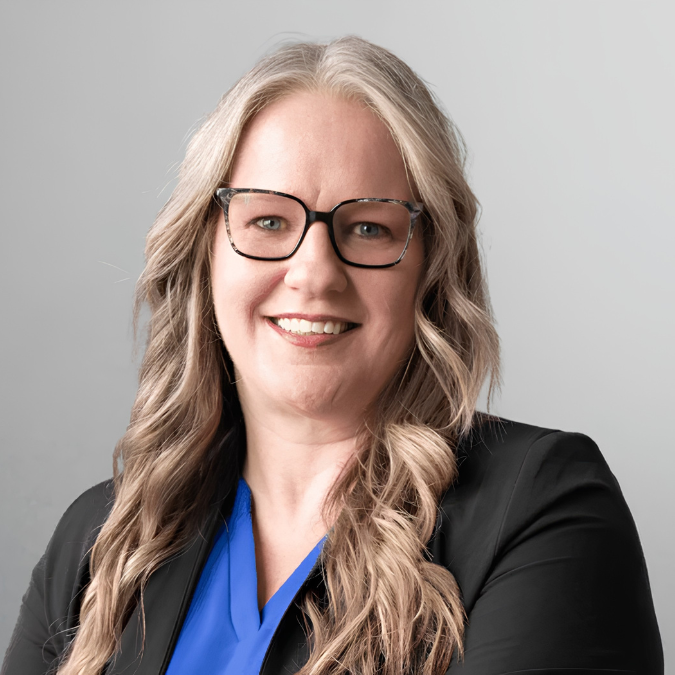
Reviewed by Attorney Jennifer Landry
Senior Associate Attorney
Jennifer believes conversations about planning for the future should feel empowering, not overwhelming. She helps clients through estate planning, probate, and elder law with clarity, compassion, and confidence. Her goal is simple: make complex processes feel simple and approachable. She also helps clients with business law and real estate matters.
Click here to know more about Jennifer Landry.