
Navigating Colorado Cannabis Licensing Laws
Navigating the complex landscape of Colorado’s cannabis industry requires a comprehensive understanding of state regulations and licensing requirements. Baker Law Group, PLLC provides expert guidance to entrepreneurs, businesses, and investors seeking to navigate the intricacies of Colorado’s cannabis licensing laws.
Understanding Colorado’s Regulatory Framework
Colorado has been at the forefront of cannabis legalization since Amendment 64 was passed in 2012, allowing for the recreational use of marijuana by adults. However, operating within the state’s legal framework requires compliance with a robust set of regulations overseen by various state agencies.
Licensing Authorities
The Colorado Department of Revenue’s Marijuana Enforcement Division (MED) regulates and licenses cannabis businesses in the state. The MED oversees licensing for cultivation, manufacturing, testing, and retail sales of cannabis products.
Types of Licenses
Colorado offers several types of cannabis licenses, including:
- Cultivation Licenses: For businesses involved in growing cannabis plants.
- Manufacturing Licenses: For businesses that process cannabis into products such as edibles, concentrates, and topicals.
- Testing Facility Licenses: For laboratories that analyze cannabis products for potency and contaminants.
- Retail Licenses: For businesses authorized to sell cannabis products to consumers.
Each locality may have more specific rules, and being properly licensed involves adhering to local rules as well as state rules.
Navigating the Application Process
Obtaining a cannabis license in Colorado requires thorough preparation and adherence to strict guidelines. The application process involves several steps, including:
- Preparation of Application Materials: Applicants must submit detailed business plans, security protocols, financial documents, and operational procedures as part of their application.
- Background Checks: Individuals associated with the cannabis business, including owners, investors, and employees, must undergo background checks to ensure compliance with state regulations.
- Site Inspection: The MED conducts thorough inspections of proposed cannabis facilities to assess compliance with zoning regulations, security requirements, and other operational standards. Local authorities may also have inspection requirements.
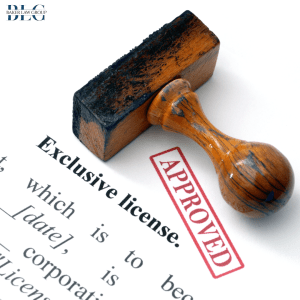
- Approval Process: Once the application is submitted and reviewed, the MED will either approve or deny the license application. Applicants must address any deficiencies or concerns raised by the licensing authorities.
Compliance and Ongoing Legal Support
Once a cannabis license is obtained, businesses must remain vigilant about compliance with state regulations to avoid penalties or loss of licensure. Baker Law Group provides ongoing legal support to help cannabis businesses navigate regulatory changes, resolve compliance issues, and address any legal challenges that may arise.
Consult with a Colorado Cannabis Lawyer
 Navigating Colorado’s cannabis licensing laws requires expertise and experience in regulatory compliance and cannabis law. If you are considering entering the cannabis industry or need legal assistance with licensing and compliance matters, contact us today.
Our team of experienced Denver cannabis attorneys can provide the guidance and support you need to succeed in this highly regulated industry. Contact Baker Law Group today to schedule a consultation with a trusted Colorado cannabis lawyer.